AI-driven development
End-to-end product development from architecture and code to security and cloud operations.
ENJOY Software is a Melbourne software development company. We design, build and operate production systems end-to-end — architecture, code, security and cloud operations.
Small, senior and accountable. One team owns a product from the first commit to the production incident channel — no handovers, no diffusion of responsibility.
We build with AI where it earns its place: measured, evaluated and cost-controlled, not bolted on.
Selected Work
Each of these went from an empty repository to a live product with real users — including business case, architecture, frontend, backend, deployment pipeline, and operations.
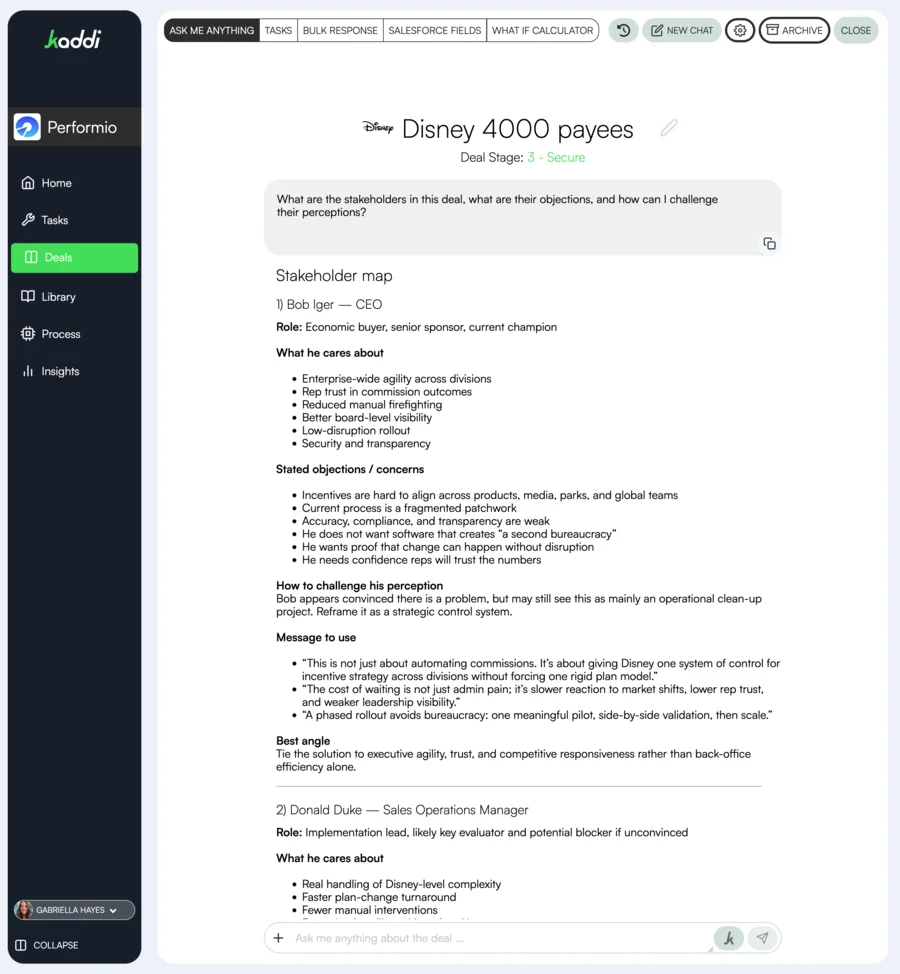
View all work →A $2M-funded, AI-native sales platform that turns live deal data into deal guidance and pipeline intelligence.
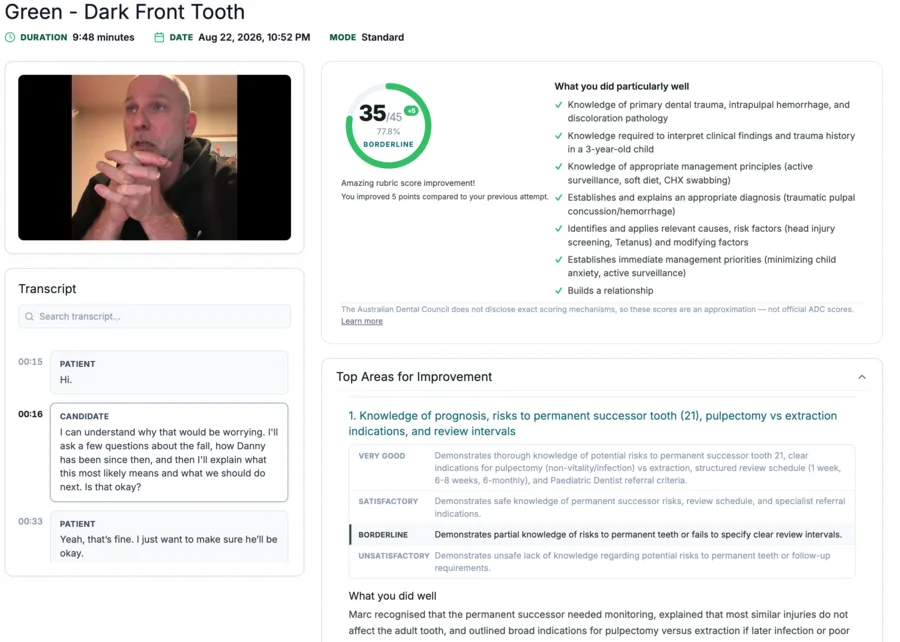
View case study →Spoken clinical exam practice with an AI patient, then examiner-style marking against the exam rubric.
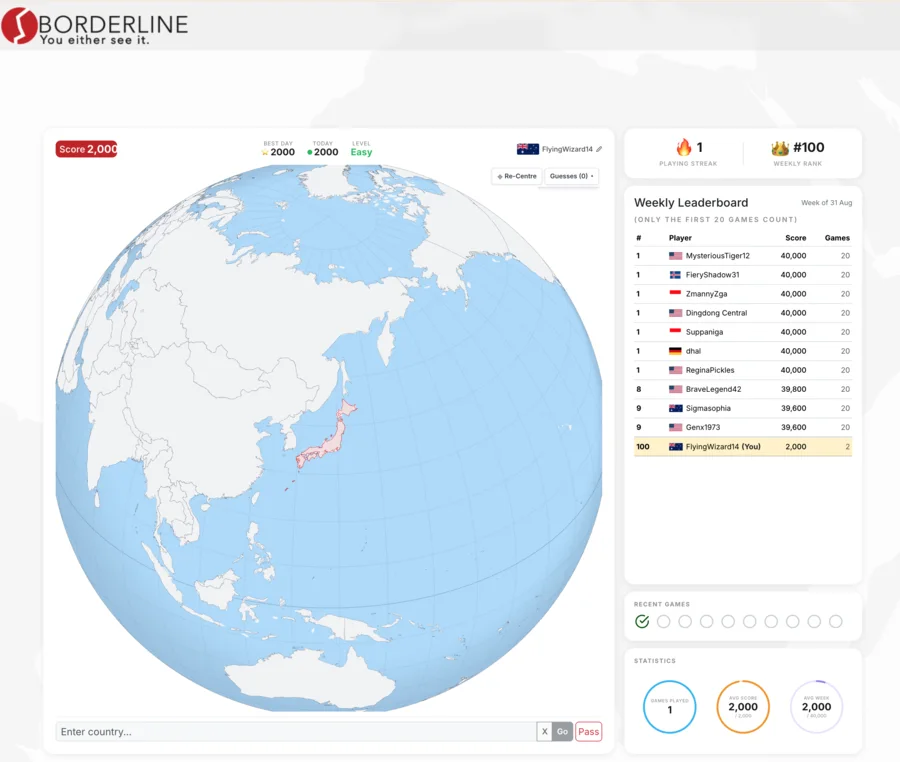
View case study →A consumer geography game grown to 220,000+ games played and 23,000+ registered users.
View case study →Capabilities
Product engineering with the operational discipline of an enterprise platform — because we have run both.
Spec-driven development with AI coding agents: turn product intent into explicit requirements, architecture, acceptance criteria and tests, then use agents to implement, review and iterate against the specification. The result is engineering leverage — enabling a small, senior team to ship substantially more software without sacrificing quality, maintainability or control.
Full-stack web applications from first commit to production: React and TypeScript on the front, Python/Django or TypeScript services behind, PostgreSQL underneath.
LLM features that survive contact with real users — RAG over your own content, tool-calling agents, voice and realtime interfaces, structured outputs, regression evaluation and cost control.
Decomposing monoliths into independently deployable services, redesigning calculation-heavy workloads, and scaling platforms through order-of-magnitude growth in volume.